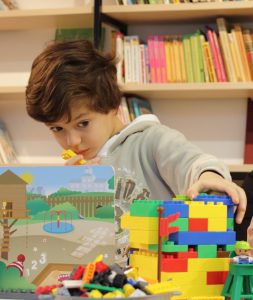
At Coral Gables Counseling Center, we often have what we call Meeting of the Minds, better known as MOM meetings. These are meetings where psychologists, therapists, and interns come together to share ideas and discuss what we are seeing in the office. At our last meeting, the conversation turned to a topic that comes up constantly in sessions: screen time, and what happens when kids get bored.
One of our newer therapists shared that she limits screen use with her own kids and encourages them to stay active. But she has noticed that the moment things slow down, they get restless, want to be entertained, and get frustrated fast, and she feels pressured to fill that gap for them. That stuck with me, because it’s exactly what so many parents describe: kids who don’t know what to do with themselves, and reach for a device the second boredom sets in.
In my 20+ years working with children, I have watched this shift happen. Kids today are uncomfortable with boredom. They treat it like something to avoid rather than sit with. Previous generations, when bored, went outside, invented games, built things, drew, read, explored. Now electronics fill that gap instantly, leaving a lot less room for kids to figure things out on their own.
Here’s the thing: boredom is not the problem. It might actually be one of the best things for a developing brain. When kids are bored, their minds start hunting for a way out of it, and that’s where creativity, problem solving, independence, and resilience come from. Some of the best hobbies and interests are born from a kid being stuck with nothing to do.

So, parents should not feel guilty about letting their kids be bored. We do not have to keep them entertained every waking minute, and honestly, doing so can get in the way of skills they need long term, like patience, flexibility, and the confidence that they can make their own fun.
My bigger concern is how early kids get handed a screen as they go to fix boredom. Technology has real benefits but leaning on it by default crowds out creative play, social interaction, physical activity, and independent thinking, all things young kids need more of, not less.
Three Ways Parents Can Encourage Healthy Boredom
- Don’t rush to fix it. When your child says, “I’m bored,” resist jumping in with entertainment. Let them sit with it and come up with their own idea. That’s where the problem-solving muscle gets built.
- Leave room for unstructured time. Not every hour needs a plan. Free time is what lets kids discover what they actually enjoy.
- Make screens the exception, not the default. When a device is not the automatic answer, kids are far more likely to read, build, draw, or invent a game instead.
Technology is not the enemy. Balance is the goal. But in a world full of instant entertainment, kids still need room to be bored. That’s often where creativity starts, confidence grows, and they learn one of the most useful skills there is: how to entertain themselves.
If your child struggles with frustration, downtime, or stepping away from a screen, a therapist can help.
QUOTE FOR THE WEEK
“Boredom always precedes a period of great creativity.”
Robert Pirsig