By Giselle Alfonso. MBA, Master Psychology Student
At the start of every year, many of us set ambitious goals: read more books, exercise regularly, or lose weight. But how long do we stick to them? For most people, not long enough. The problem isn’t setting goals, it’s relying solely on them.
James Clear, author of the #1 New York Times bestseller Atomic Habits, emphasizes that while goals are important, they aren’t enough on their own. The real difference lies in building a system that supports those goals. Here’s how to shift your focus to systems and build habits that last.
Why Goals Aren’t Enough
Goals provide direction, but they’re like a destination without a map. Without a clear system, goals often feel overwhelming or out of reach. Worse, striving for perfection can lead to frustration and burnout.
Building habits isn’t about being perfect, it’s about being consistent. Missing a day or two doesn’t mean failure. What truly matters is getting back on track and sticking with the process over time.
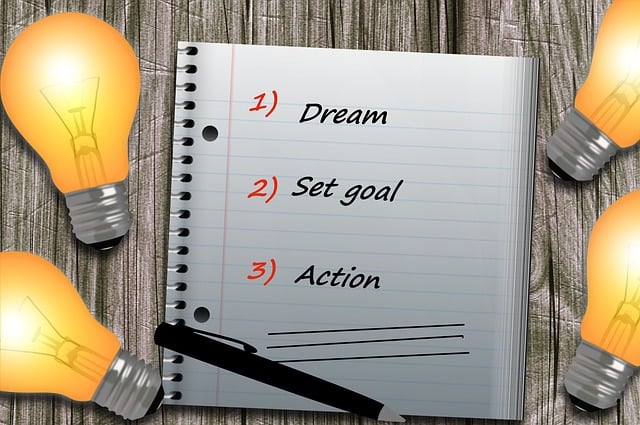
What Is a System? Turning Goals into Habits
A system is a set of daily habits that guide your actions toward achieving your goals. It’s the process that drives consistent progress. Here’s how to turn your goals into actionable systems:
1. Identify Your Goal
Start with the big picture. What do you want to accomplish?
2. Break It into Habits
Divide your goal into small, actionable steps. For example, if your goal is to exercise regularly:
- Go to bed earlier the night before.
- Treat your workout like a non-negotiable appointment.
- Lay out your workout clothes in advance.
- Use a fitness tracker to monitor progress.
- Reward yourself for meeting weekly targets.
3. Repeat Until It Becomes Automatic
Consistency transforms habits into routines, and routines into systems that work effortlessly.
Aligning Habits with Your Identity
One of the most effective ways to stick to habits is by aligning them with your desired identity. Instead of focusing on an outcome like “I want to lose weight,” reframe it as “I want to become a healthier, more energetic, and confident person.”
This shift fosters long-term motivation. Each small action reinforces your identity. For example, every time you make a healthy food choice, you provide evidence to your brain that you are a healthy eater. Over time, this belief solidifies and sustains your behavior.
Here’s how to align your habits with your identity:
- Ask yourself: What kind of person do I want to become?
- Identify the habits that reflect that identity.
- Reframe your thinking. For instance, instead of saying, “I have to eat healthy,” say, “I’m someone who values nourishing my body.”
Each small action strengthens your belief in your new identity, creating a positive feedback loop that keeps you motivated.
Proven Strategies to Build Habits That Stick
Behavioral science shows that successful habits share key traits:
1. Make It Obvious
Use visual cues as reminders. For example, if you want to read before bed, place a book on your pillow.
2. Make It Attractive
Pair the habit with something you enjoy. If you want to exercise, listen to your favorite podcast or upbeat music while working out. Joining a group or community can also make habits more engaging.
3. Make It Easy
Start small to reduce resistance. Begin with just a few minutes of the desired habit, like stretching or reading, to make it feel manageable.
4. Make It Satisfying
Reward yourself after completing the habit. Use a habit tracker to visualize your progress or treat yourself to something enjoyable, like a relaxing walk.
To Reduce Bad Habits, Reverse These Strategies:
- Make It Less Obvious: Keep your phone in another room during work or study hours
- Make It Less Attractive: Use apps to block distracting websites or set time limits
- Make It More Difficult: Create friction by logging out of social media accounts or uninstalling certain apps
- Make It Less Satisfying: Replace the dopamine hit of scrolling with more meaningful rewards, like a quick walk or chatting with a friend
The Key to Lasting Change: Systems Over Goals
Building habits takes time, patience, and a focus on small, consistent actions. Systems, not goals, pave the way for sustainable success.
Every small habit you adopt brings you closer to the person you want to become. Progress may feel slow, but every action counts. With the right system, meaningful change is possible, one habit at a time.
QUOTE OF THE WEEK
“Every action you take is a vote for the type of person you wish to become.” – James Clear