
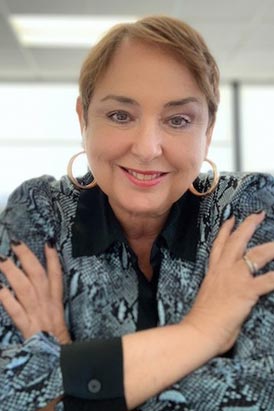

In this episode of The Counseling Corner, we take a deep dive into the classic goal-setting framework: SMART goals. While they’ve been a go-to method for decades, do they still hold up in today’s fast-paced and ever-changing world? We explore how this system can help you stay focused, whether it’s still relevant, and when it might fall short.
What You’ll Learn in This Episode:
- A quick refresher: What are SMART goals?
- The pros and cons of setting goals that are Specific, Measurable, Achievable, Relevant, and Time-bound.
- When SMART goals work best—and when they might limit creativity or adaptability.
- Real-world examples of people using SMART goals successfully (and when they didn’t).
- How to evolve your goal-setting approach to fit your unique needs and circumstances.
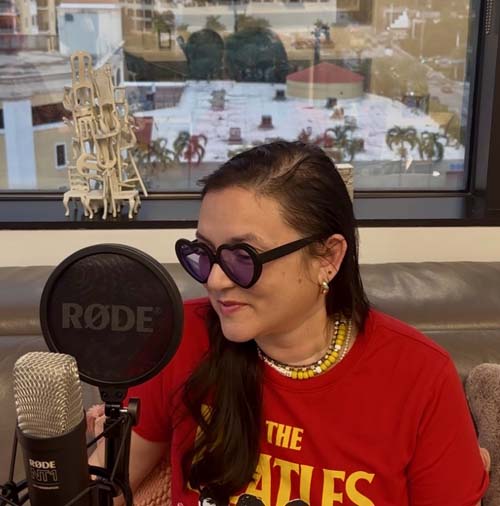
And for those of you that really love us, we would be super grateful if you would leave us a review over on iTunes. Those reviews not only help us continue putting out information you love but they make it easier for others to find us.
Who Is This Episode For?
This episode is perfect for anyone looking to level up their personal or professional goals, including entrepreneurs, professionals, students, and anyone curious about self-improvement.
Blogs & Podcasts

Emy Fernandez’s Blog on indecisions: Blog on Indecisions
Ricardo Sardiña’s Blog on goals and fears: Blog on Goals and Fears
James Clear’s Blog on goal setting: Blog on Goal Setting
The Counseling Corner Podcast on New Year Resolutions: New Year Resolutions – Do They Work?
Jenna Kutcher Podcast on goals: Forget Traditional Goal Setting
Let’s Keep the Conversation Going:
We’d love to hear from you! Are you using SMART goals, or have you found an alternative that works better? Connect with us on @coralgablescounselingcenter and share your thoughts.
Subscribe & Review:
If you enjoyed this episode, please subscribe and leave us a review. It helps us reach more listeners like you!
For more on Cristina and Emy, you can check their pages at
Are you subscribed to our podcast? If not, we encourage you to do so. You will be hearing from psychologists, psychotherapists and coaches on interesting topics such as relationships, health and wellness, career, phobias, fears, trauma, attachment issues, women’s issues and child development among other topics.
Transcript
Episode 107 – Do SMART Goals Still Work
Word from our sponsor:
Emy
INTRO – Setting a goal that’s achievable, realistic, attainable, I believe will hold me back, will keep me where I’m at today. And so if I want to do something different, learn something different, and reach a goal that I currently do not have or have reached, then making it realistic is not going to help me do that because for me realistic is doing the same old same old and stay where I’m at. Hi, everyone.
This is Emy from Coral Gables Counseling Center. We’re doing another recording of our podcast, The Counseling Corner. And today I have Titi here as my co-host.
Gabi has been out for a while. For those of you that are familiar with our podcast, we have a third host and she’s not here today.
Cristina
She’s in Georgia enjoying a more, you know, wintery Christmas holiday season.
Emy
Yeah.
Cristina
So Emy and I are here today. I’m Cristina Nicole Fernandez. I’m a family law attorney here at Coral Gables Counseling Center.
I provide life coaching for people in transitions, whether going through a divorce or dealing with other transitions in their life and also a yoga teacher. And today we’re talking about setting goals and how to set goals. So this is something that and I took over from Emy for really quick, but I kind of wanted to introduce this because she introduced me to this topic and I wasn’t familiar with it until recently.
SMART goals.
Emy
SMART goals.
Cristina
So setting goals, SMART goals, something that dates back to something that came from the the 80s from General Electric.
Emy
Yes.
Cristina
Tell us a little bit more, Emi.
Emy
Yeah. So it dates back to the 80s, early 80s, 1980. And it was General Electric.
Jack Welch at the time was the CEO and he brought it into the company. Um, and at the time it was so SMART goals stand for being specific, measurable, achievable, relevant and time bound. Right.
And we’ll talk a little bit more about it’s an acronym for these things. But at that time, instead of achievable, achievable, it was assignable. So something that a goal that you could assign to someone in the company and then to get it done.
Um, since then, it’s been changing, mutating a little bit. And so now it’s achievable, meaning, you know, realistic and attainable. And so, yeah, so I thought it was interesting to talk about it now and just kind of tweak it a little bit because I’ve been thinking about this, these mark goals, and I’ve been using them for years.
But one of the things that I thought is that as time changes, these ideas and these frameworks sometimes have to adjust with the times. And so that’s why I approached DT. I said, you know, I think it would be great to do talk about the smart goals, but talk at the talk about them now with, um, you know, for 2025.
Cristina
Yeah. So my response was, yeah. How can we make the smart goals smarter, smarter?
How can we make them smarter? Like what worked for us before was smart, but how can we be even smarter? How can we be more wise with, with the experiences, looking at the experiences that we’ve had, applying those to where we are today?
Who are we today? What do we actually need and want? And then taking it from there and making those goals even smarter, working them smarter and even setting them in a smarter way.
So we kind of, you know, I don’t know if we’re adding more letters to the acronym or if we’re just changing the letters or just changing the way that we think about it, you know, as a whole, uh, but you know, we, we want to go back to, so just spelling out the acronym really quick because you went through it a little quickly. I mean, I want to make sure everybody in listener land understood. So the S stands for specific, specific, so clearly defined goals, clearly defining what you want.
And I think being specific is important. I believe in manifesting. It’s why I wear my mala beads that I’m, I’m wearing right now on my hand.
And, and, you know, I believe that being specific and thinking about the things that you want for your life and manifesting and setting goals, whatever it is, being specific is important because if you’re not specific, then the universe or you don’t know what, what you’re even trying to accomplish or provide for yourself, the universe will give you something that you weren’t really looking for. Exactly. So be specific, just in case, you know, you want to make sure that it’s actually what you want it.
So take some time to think about what is it that you want and be specific about what those things are. The second one being the M measurable for measurable. And Emy loves this one.
I love Emy loves this one. We’ll talk a bit more about that. What is measurable?
It’s something you can quantify something you can like write down, quantify, you can set a number to it, you can set, you know, something that can quantify that particular, you know, whatever it is that you’re trying to achieve the outcome, the goal, you know, maybe it’s a number, maybe it’s, you know, whether it’s, you know, you’re trying to improve your tennis game, which Emy, Emy talks about, or whether you’re trying to improve your, you know, your yoga practice, like me, or maybe your health, trying to achieve a certain number in your, you know, cholesterol levels, or, you know, whatever it is, make it something that is measurable.
Emy
Right? I think the reason this is my favorite, is because it tells me where how I’m doing. And you know how I am about that Titi right?
It’s like, you know, if I play tennis, I love to play, we talked about this, I love to go play, play tennis and have fun. But I like to know that my service improving or that my net plays improving. And so that I can move from three being a 3.0 player 2.5 player to 3.0 or 3.5. So for me, that that’s important. That’s what gets me up at six to go play tennis early.
Cristina
You know, and look, I think I think numbers are super important, right? I’m an attorney, I, I believe certain things, you know, there’s rules, there’s things, there’s way to do ways to do things. And I believe in math.
And you know, like, I believe in measuring things. But also like a lot of the goals, maybe that I’ve had have been a little bit more intangible, where the measurement is like, not something that you can really define. You know, an example, give me an example.
So for me, my goals that I’ve been working on in the last few years, I’ve been in personal growth, and physical and health wise, where there’s numbers there that are tangible in numbers, you know, with weight and you know, health, you know, literally lab work and things like that. But for me, you know, mental growth, and personal growth. And even in a yoga practice, it’s not always so measurable.
You know, maybe you can, I can definitely see that from where I started in my yoga journey to where I am today. There’s extreme growth. Okay, so how do you know that there’s growth, the because of the the depth that I can go in in things, I can feel the depth, you know, I can feel the increase in my flexibility, I can feel, you know, but there’s, it’s difficult to measure that, like, you can say, I want to be able to touch my toes, correct?
100%. And that’s something that’s measurable. And that’s, but but you know, I’m a pretty, I was a ballerina as a child, I’m pretty flexible person.
And I want to be able to reach certain poses and things like that. But then it became a little bit overwhelming and daunting for me when I was like, I became a yoga teacher, and I still couldn’t do certain things, you know, and then you start, you know, you start to feel bad about yourself, like, Can I even really be a yoga teacher, if I cannot do all of these things that these yogis can do? That’s not what it’s about, necessarily.
For me, it’s about the process and the journey of getting there. And in order to and as a yoga teacher, this is why I love to teach because I love to show people that no matter where you are in your physical journey, you can do yoga, you know, you can get there’s so many adaptations and, you know, ways that you can modify. And then little by little with practicing those modifications, you’re going to be able to take it deeper and then deeper and then deeper.
So if you cannot hold a downward dog for five breaths, now, if you practice it enough times, and you can hold it for one breath, with your knees slightly bent little by little, eventually, your heels will touch the floor eventually, you know, so yes, you can measure that I want to have the goal of my heels being able to touch the floor and be in perfect form for this or that. But at the end of the day, if that that’s like, you know, the only measurement is like getting there, then you might miss the journey along the way. And it’s the achievements along the way of getting there.
So that’s where I like to take a step back with measuring and not having to get to a you know, a certain level of attainment or perfection.
Emy
And it’s interesting, right? Because you said something about you just mentioned something about, you know, it’s not about feeling bad about not getting there, not reaching it, or whatever. But for some people feeling bad about not getting there is what gets them eventually there, right?
It’s about so I’m, I don’t think it’s bad to feel bad sometimes or feel like you’re not. You’re not meeting what you want to meet and feeling bad about that. I think that it’s important to be able to process these feelings that we get rather than I don’t want to feel bad or I don’t want to do that.
Cristina
So yeah, I guess I suppose it’s not about not feeling bad. It’s about what you do with it.
Emy
Right?
Cristina
So oftentimes, when we feel bad, then it causes us to give up or correct to feel a sense of failure when that’s not what it is. It’s part of the process. If you never fall, when you’re trying to get into a crow pose for the first time, and you never ever fall on your face, like you’re never gonna, you know, like, you kind of have to experience certain things in order to get there and realize how to then achieve that level of balance in your joints.
And however, you need to line your body up. That’s how you get there, right? It’s with that falling.
Emy
So being okay with some people don’t want to fall or don’t want to feel bad. And not in order to avoid thinking that that is what’s going to help them reach their goals. But in essence, it isn’t because they’re not processing that feeling of feeling bad about it.
Cristina
Yeah. And I guess it we’re saying the same thing with different words. I don’t like to feel bad about stuff.
If I’m gonna fall, instead of feeling bad about it, I’m gonna laugh about it. I’m gonna think it’s hilarious and funny. And like part of the process, like just, you know, I want to, I’d rather feel silly about it.
I’d rather feel, you know, lighter about it than feeling bad.
Emy
That’s where you and I are a little bit different, right? For me, it’s like, I’d be so frustrated, right? Like, I didn’t make it to the net.
I feel frustrated. But that is what then it’ll drive to the net drives me, it’ll drive you to go back and try again, to try again, and then get to the net.
Cristina
For me, it wouldn’t. And that’s why everybody, you know, in listener land, you know, we, we are all different people. And he’s my aunt.
And we are very much alike in many ways. And we’re both coaches. We’re both coaches.
I went into law, I think, because I saw her working at law firms when I was a very little child. And I went to work with her at her law firm. And, and I thought it was cool.
And, you know, you know, also because of other parts of my family history, but there’s a lot of me that comes from me. And so we’re very much alike in so many ways. But then we are also different, every human being is different.
So embrace your differences. And under try to understand yourself better. And you know, who are you?
What do you need? In order to achieve that goal? Do you need to have that number and then that failure feel bad to then drive you to do it again?
Or do you to just be able to laugh about it to then pick yourself back up and do it again? Because I need to be able to laugh about it, right?
Emy
So it’s knowing, knowing what, yes, what at the end of the day drives us, right? To be able to, again, we’re talking about goals, right? So what is it that actually drives you to get to the end goal?
Cristina
So the next letter, which on the acronym SMART is the A for achievable, which, you know, means something that’s realistic, something that’s attainable, something that you can do, which is important. It’s important, I think it’s for you to make something achievable, right? But maybe is it is that holding back us back a little bit?
Emy
Right. And that is the problem that I have with the SMART goals, the way they are, right? The main one.
For me, being setting a goal that’s achievable, realistic, attainable, I believe will hold me back will keep me where I’m at today. And so if I want to do something different, learn something different, and reach a goal that I currently do not have or have reached, then making it realistic is not going to help me do that. Because for me, realistic is doing the same old, same old.
Cristina
Yeah.
Emy
And stay where I’m at.
Cristina
So I do this work a lot with my clients, because when you’re going through a divorce, or a big life change, you sometimes cannot see anything beyond what’s right in front of you, what’s happening in that very moment. And so I encourage my clients from day one, the very first time that I sit with them, I make them tell me or I give them homework to come back and talk to me about what are the dreams that you can envision for your future life, that today don’t even seem possible, that today don’t even seem like something that you can achieve. But what would that perfect life look like?
Or what would that ideal scenario be for you? Look beyond what’s right in front of you, what’s limiting you today, what your circumstances are today, to think about the possibilities in the future. And I use the words, infinite possibilities.
There are infinite possibilities. If you don’t look for them, if you don’t think about them, they certainly will not become available to you. But if you do, now you’ve opened up a whole other arena, a whole other box of things that now become possibilities because you just thought about them.
And so if you are able to then have, and this is why I love this, for my clients, I use it with them, I say, today, you can’t even see beyond what’s happening. But if you think about what you want your life to look like five, 10 years from now.
Emy
Correct.
Cristina
And you see that dream life, right? You’re going to make better decisions today. That’s going to lead you to get to that place, as opposed to if you’re just looking 10 steps ahead to what’s happening next month and next year.
Emy
Or looking at your past, right? Or looking back. Looking back, like some people, some clients tell me, I just want to be able to bounce back, bounce back, bounce back.
And I’m like, bounce back? Why would you ever want to bounce back, right? You’re no longer the person.
Yes, you’re no longer, and it’s always about bouncing forward. It’s always about bouncing forward. Why is it that you want to bounce back?
You’re no longer the person that you were before. Why? Because in using your example, you just went through a divorce.
Guess what? You’re not that same person anymore. So now it’s like being the person from before that has gone through a divorce.
What are you going to be looking at in order to go in the future? And so one of the things for me with the achievable, realistic, attainable, instead of that, it’s more about, okay, functioning from my future person. One of my mentors, Brooke Este always says that.
Her present was built by her working from her future person to who she is today. I love that. And so I think that that will give us, in aligning with what you were saying, Titi, I think it gives us that vision of, okay, this is what I want.
Cristina
And a lot more possibilities.
Emy
A lot of possibilities, right? Who is it that I want to be? Who is the future person that I want to be?
And look, once in a year or two, that future person may change because, you know, will change, right? And so who is that future person now?
Cristina
And being okay with that change.
Emy
So it’s constantly looking at that and being okay with that change. So for me, yes, making it achievable. Okay.
But it doesn’t have to be realistic. Like, I don’t want it to be realistic today. I just want it to be something that I’m looking at the future and saying, okay, this is where I want to be.
So what do I need to do today that I’m just, like you said, not envisioning or understanding in order to be able to…
Cristina
And think about it, like back, you know, in the 1800s, nobody, early 1900s, nobody ever thought we were going to get to space. We’ve gone to space. Like, you know, like if you cannot look beyond what’s right in front of you and what is, you know, what you can see right in front of you, then you’re not going to be able to achieve that greatness.
Emy
Right. And, you know, sometimes we can’t, right? Sometimes we won’t be able to see because we don’t have that vision.
So what I do and what I recommend my clients to do is find someone who is there, is creating that and follow their lead, follow their framework. It’s okay to do that. You know what?
And I use framework because I like frameworks. Titi doesn’t. But so we don’t have to use that word.
But what I’m saying is, like, if you can envision what you want, just look at someone who’s living a life that you’re thinking of, that you would like to be there. And then that may help you trigger what that future person is. I think some people may say that that’s comparing, but sometimes comparing is good if you don’t use it against yourself.
It’s like, oh, wow, let me, you know, it’s something I’d like to do that. I’d like to be there. So what steps did they take?
What did they do in order to get there? And so sometimes that helps, too. And then once you break that obstacle of not being able to envision what you want, then that will give you then the possibility of, okay, now I can see.
Cristina
And I love that.
Emy
I love that.
Cristina
I love working with teachers. I love working with mentors. I’m a forever student of life, of everything.
So I love to learn. I want to learn from others because that’s how we learn, right? The greatest lessons I’ve learned in my life that have made me who I am today came from my mother, which came from her experiences in life.
And that’s a beautiful thing. But I also want to encourage people to, you know, when I talk about infinite possibilities and it’s thinking outside of the box and all that stuff, sometimes in order to tap into that, it also takes kind of doing something different, right? Tapping into the creative part of your brain that maybe you, if you’re a very analytical person like Emy with a framework, sometimes you need to do something wild and crazy.
That’s different that you never do in order to actually tap into a part of yourself that will help you achieve those things and take you to that other level that will help you envision something that in the world that you live in day to day, the go, you know, the, the, the nine to, you know, the, the wake up work, sleep, you know, eat, sleep, whatever, repeat, take a, cut a piece out from that routine and do something different. And I think that that’s super, super important for people in general to be able to actually tap into more than what you can just on that cycle.
And even when, you know, when you’re a structured person with a framework and measured goals and all of these things, I think that you’re still even, even with looking at, you know, Oh, this person was able to do it this way and all of that. If you’re not then taking an extra step to, you know, tap into creativity, a different part of your brain that you don’t activate, that you, that you don’t access on the regular, then you’re still limiting yourself. You know, that you’re, you’re not even going to see those possibilities.
You’re not even going to know what mentor to be looking at because you can’t even see that goal.
Emy
You don’t have that clarity, right? Sometimes it’s difficult. Sometimes you don’t.
Cristina
I’m suggesting that the clarity comes in small practices of creativity, like literally tapping into your inner child, being playful, doing, doing stuff that maybe you’re a little bit uncomfortable with. Like Emy, it’s tremendously hard for you to show up sometimes to my yoga classes. And with time, you’ve come to terms with like, I actually love it.
And I have to remind myself every time so that I do show up. But sometimes I’m like, Oh no, I can’t make it today. And then when you, and then you show up, like now you’re showing up super excited because I think that that practice that is outside of the box for you is helping you tap into something that while it it’s, it might feel uncomfortable in certain moments, it’s helping you tap into something that you need.
And for you, that’s, that’s a way that you’ve done it for people. You know, I think I love yoga for everybody, but you know, it might be just playing. It might be just drawing, you know, artistic expression, creativity.
There’s a book, the creative act, which is fantastic and beautiful. And it’s available in an audio book. And if, if you can listen to that, you can, you can hear how as human beings, we are all creative beings.
We are here made to create. So I always grew up thinking I’m not an artist, but heck I am. I was a ballerina, artistic expression of the body.
And with words, I love to talk. And as an attorney, you have to be able to, you know, speak and read and understand and critical thinking. And there’s an art form in everything in life.
And so if you tap into your creative self, I think that there’s a lot that can come out and that that’s what I’m suggesting.
Emy
Yes. And, and, and in my case, for example, I do, right? Because I, I write that’s where I bring up whether my creativeness comes out, writing and things like that.
So I do tap into that area. Um, I do, I do tap into, I do tap into that, but at the end of the day, I always like my little framework.
Cristina
Exactly. But if, but if you ask me, I think that the most growth that has come from Emy, who I’ve known my entire life has been from tapping into those creative parts of herself, that the most growth and the most things that you’ve achieved in your personal and professional growth have come through tapping into those things. So that’s what I’m suggesting.
Exactly. Just being here today for me, becoming a co-host on this podcast is a tremendous act in creativity and tapping into that part of myself, having my voice put out into the world, my thoughts and just flowing with it and being comfortable with being able to sit in front of a camera, have a conversation and put my voice out to the world.
Emy
Correct. And even like with these smart goals, it’s like taking something that was created years ago and being able to think is there, is there something that needs to change being, you know, tapping into that creative part. Is this are these smart goals still true?
Is it still true? Is it still true?
Cristina
So, so the next one that it kind of is in line with this, right? The R is for relevant, relevant, aligned with larger objectives. Is it still true?
Do you still, is it still relevant? Is it relevant? Right.
And I think it’s important for things to be relevant, but things maybe may not be relevant today that could be relevant to you down the line. So in what ways is this limiting us? You know, like what’s relevant to me today is not necessarily something that’s going to get me to where I want to be in five, 10 years.
Emy
Correct. For me, VR, um, I’ve been switching it to risk, which I love. I’ve been switching it to risk, right?
Cristina
Uh, take that leap, take that risk. Correct. And, and, you know, it doesn’t have to be a risk that, you know, in a risk is actually a legal concept.
And when you’re, you know, when you’re thinking about risk in a contract or whatever, you’re thinking, who, how can we assign this risk to who, and how can we cover for this risk? You get insurance, you get, you know, you get certain things in place, you know, certain terms of a contract in order to protect for risk. Right.
But sometimes, you know, you can’t really protect in every way for risk. Sometimes you just have to take a risk and take a jump, take a leak, you know, take, take a leap. And, and, and, you know, um, and that, and that is what can actually cause the most cataclysmic, big change in your life, the most significant change in your life.
Emy
Correct. And I think that that correct, as you were saying, it’s, it’s like, for me, it’s like, stepping out of my comfort zone. And like you said, being more getting out of that framework, and just being more creative, and doing things that normally in the past, I wouldn’t have done.
And, you know, even like posting on social media, and doing, like I said, the podcast and writing and, and, and putting things out there where I have responses from people that don’t agree with what I have to say, right? Yeah, which has, which is okay, too, which is okay, too.
Cristina
And that’s a part like, this is a conversation we want, we actually want to hear from you listeners.
Emy
Correct.
Cristina
We want to know, do you disagree with me? You know, on something that I’m saying, I hope somebody does so that I can have a meaningful dialogue, and maybe even change my perspective. Because with that change of perspective, that conversation, so much growth can happen, your mind begins to expand, you see the world in different ways.
And that is what as human beings brings us to the greatest level of achievement and greatness in life, I think, is to be able to have that conversation and change yourself, because you want to, you know, because it’s in line with what you believe with who you are, what you want for your life.
Emy
And using the example that you and then we’ll move to the next one. But using the example of the contract, the there’s still even though you’re trying to cover for these risks, they’re still taking a risk, collaborating with someone else going into a contract with someone else, you know, you’re buying a house and you go into a contract, you’re still taking risk. And even though you’re trying to cover for one of the terms, not then the alternative is that you don’t do anything, you don’t go, you don’t move forward, you don’t buy a house, you don’t move forward on a business
Cristina
deal, you don’t look one of the terms of a contract, it always says, you know, this does not account for acts of God acts of war, there are risks that you cannot cover for correct acts of God, you don’t know what’s going to happen tomorrow, you do not know.
So it but that shouldn’t stop you from taking that risk. Take the risk. But you know, you can you can cover yourself in whatever ways you can.
But then there’s some things that you just are not going to be able Right.
Emy
So the point is that cover, like you said, DT, like, just look and see what the risks are and what you need to do in order to be able to still make the jump. Exactly. But, you know, making sure that that jump is something that, you know, you’re covering for, yeah, do it safely.
Cristina
If you’re going to try a new training, get a teacher, get a coach, get somebody who can help you make sure that you’re doing it properly, so you don’t hurt yourself. And then you start little by little and you build up. And this is the way in everything, whether it’s a physical practice, a professional, you know, in every area of your life health, you’re not going to go from, you know, here to to be having perfect scores on your labs and everything, you know, perfect everything in your health, if you don’t start with one little thing at a time, which might just be drinking more water and making sure you’re hydrated. And when you achieve that, then the next thing will become more clear and your, you know, your body will react and, and will change little by little. So, you know, but, but take risks also and, and, you know, take, take it a little further than maybe what you see right in front of you today.
Emy
So the last step of relevance risk.
Cristina
Yes, risk. We love it.
Emy
We love that.
Cristina
So the last letter is the T and it stands for time bound. And what this means is to define a timeline, like create a timeline, set a goal for when you want to complete this goal or set a date or, you know, a timeframe, which I think is, is great. You know, I want to, you know, achieve this, you know, certification, or I want to achieve this training or, or whatever it is within a certain amount of time.
And that’s great.
Emy
Cause I think it’s important. I think it’s important again, going back to my little, like Titi says, framework. I think it is important to have that, to make it time bound.
I just, the only thing is that, so the time bound is defined timeline for completion. That’s the definition. Now for me, the only thing that I, my only caveat to that is that if, if you don’t make it, if you’re seeing that you’re not making it to that completion or deadline to allow yourself the flexibility that, okay.
It wasn’t by December 31st. And I’m just making this up, but it wasn’t by December 31st, but by January 31st, 2026, it’ll be, you know, it’ll be done. So knowing that giving yourself the flexibility, not believe, not feeling like you didn’t, you didn’t reach your goals because it was time to a specific timeline.
Right. So it’s about, yeah. So, or, or as you’re reaching, as you’re getting to the point where to the deadline and you’re away from it, then to adjust, adjust, what is it that needs to be done in order for me to make it to that time and sticking to that timeline, but checking yourself along the way, like, oh, okay.
The deadline is, is coming on. And so what do I need to do to do that? And I know that for you, it’s a little bit stressful.
The timeline.
Cristina
Yeah. So, so I was just about to jump in and say, but you know, if you don’t make it to that date, that’s okay too, right? Because look, it really is guys.
It really is. Look, if you, if you don’t make it to that exact timeline, maybe that you weren’t supposed to make it to that timeline on that exact day, because what you were going to achieve was so much greater on a day, you know, a little bit further in the future.
Emy
Correct.
Cristina
And so being able to adapt and be flexible, it’s going to give you, it’s okay. It’s going to just open more doors.
Emy
And to recognize and look to recognize what you did accomplish. Okay. I didn’t make it to the deadline, but in order to reach my deadline, I had to do all of these things that just, you know, made it like I grew from those things that I had to do in order to, to meet the deadline.
Cristina
And so life is so unpredictable. And I learned this at such a young age, you know, I had my entire life planned out. I thought I knew what it was going to look like from A to Z, my entire life.
And then guess what? None of that happened. The universe, God came in and said, you know what, this is a lesson you need to learn right now.
And none of it happened. And if I had stuck so rigidly to these plans, and this idea, I would be a miserable human being right now.
Emy
Correct.
Cristina
I would be so unhappy and so sad, because none of that came true, you know, and it did come true, but in a different way. Exactly. That’s not even a lot of things did, but in many different ways.
And that’s, that’s the thing in life, we need to be flexible, we need to be and forgiving of ourselves and don’t, you know, don’t try to just, you know, be so rigid that you cannot adapt when life’s, you know, twists and turns come because they’re gonna come, they’re gonna come. It doesn’t matter how much planning you do, how many frameworks you have, how many to do lists you have, how much structure you put in your life. If you think that you have it all figured out, tomorrow, something is going to come in the way, slap you in the face and knock you on your butt and show you that you actually have nothing figured out.
And then you’re going to start back to zero and say, Okay, it’s okay.
Emy
That well, I didn’t make it to zero. But I think no, but but it but it can feel very much that way. It can feel like that.
But instead of zero, it’s more like, okay, this is where I need to adjust. I was planning. I had all these plans, I made it up to here.
Now what is it that I need to change in order to continue moving forward and not getting stuck in the overwhelm?
Cristina
Yeah, but it’s back to zero. I sometimes what I mean is like, take yourself back to the drawing board in a sense, where you can you can reimagine all of it, you can reimagine the entire picture and actually realize that what you thought you wanted, and what that picture that you had painted that plan that you had carved out for yourself is actually not even what you want today. It’s not even what you want anymore.
And when I took myself back to zero, back to the drawing board, to reimagine my entire life, I’ve been able to achieve so much more happiness and so much more, you know, forward movement. And you know, with with ups and downs and good and bad days and falling down and getting back up over and over and over and over again, because guess what, that’s life. That’s life.
And when I fall, I want to be able to laugh about it. I want to be able to be okay with it and and be able to pick myself back up. And guess what, I feel that all of those difficult things, all of those moments of failure of falling of going back to zero are the ones that have made me who I am today.
And so I wouldn’t want to not have gone through any of those things.
Emy
Yeah, but you know how wording is important to me, right? So back to the drawing board feels much better than back to zero. Then back to zero.
Cristina
I get it.
Emy
I get it.
Cristina
I get it. Okay, because you know what, the zero is not really zero. From that moment of getting feeling like I had nothing.
I actually gained so much that now I’m like, on a level 1 million.
Emy
Right? That’s what I’m trying to explain.
Cristina
You’ve already Yeah, just but it took time to get to that point of feeling that.
Emy
So you have to like, just having the value at all, right, but just having the clarity that it’s, it’s not that you have to reimagine it, or you have to redo it, or you have to go back to the drawing board, just gaining that clarity already takes you out of zero. 100% moves you forward.
Cristina
Yeah.
Emy
And so that’s what that’s why I’m a little bit on the zero side. But okay, so so are SMART goals effective?
Cristina
I think I think they can be wonderfully effective. I think that they can provide a lot of focus, clarity, accountability, motivation, you know, they can lead to personal growth. I think that they’re wonderful.
But I think that we need to also just be flexible, be flexible and be able to maybe also take that risk and not focus so much on the structure and you know, but but be creative with it so that you can adapt so that you can actually find things that can take you to a level that you never even imagined. That’s my two cents. And I think that we I think we agree on that.
Emy
Yeah, we agree on that. We agree on that.
Cristina
So limitations of the SMART goals, limitations, I think, you know, again, having too much structure having to setting unrealistic goals, like it being something that’s, you know, the achievable, I don’t know. It can be limiting, but at the same time, you know, you might be setting something that’s unrealistic where you need to be taking baby steps, right? Towards right.
You know, just not not being rigid, not being like to having to limit things too much in this framework.
Emy
Yeah. One of the things that came up as I was doing the research is that some SMART goals may not adapt to changing circumstances. Right.
But I think that if you adjust the SMART goals to the changing circumstances, I think they can still work as long as you’re open to the adjustment rather than the rigidity of it.
Cristina
Yeah, I think that the main concept of what takes the SMART goals further is that you need to reflect and think a little deeper, not just stick to this list of goals or things that you’ve measured and that you you listed out for yourself, because maybe that measurement, that thing became irrelevant along the way.
Emy
And to your point, also, as I was researching, focusing too much on timelines can create unnecessary pressure. So it’s where you were coming from as far as the timeline.
Cristina
Yeah. And for me, that’s a huge thing. I actually that that limited me many different times in my life when when I started to let go of that and actually meditate on that and focus on that, on letting go of that is when I was actually able to achieve the most, you know?
Emy
Correct. And the next thing is, well, motivation beyond the framework, right, which is also what you were talking about, which is that success often relies on intrinsic motivation and deeper emotional reasons. Yeah.
Cristina
Why? Why?
Emy
Why? Why are you pursuing the goal?
Cristina
Why are you even doing it? If you don’t even understand why you’re doing something, I believe that you probably won’t get it done or at least not to its fullest capability and potential, because the why is so important. The intention, the motivation behind it is what’s going to drive you and take that goal probably even further and deeper than you ever even imagined that you could take it.
Emy
Correct. So it’s important. And so here’s some tips on setting, you know, in preparing to close up and wrap up some tips for making the SMART goals work for you.
One of them is what you were talking about starting small.
Cristina
Yeah, starting small, taking little steps in yoga. When I teach, I tell everybody, if all you do here today is sit here and breathe, that’s yoga. And I’m so happy that you’re here with me today doing that.
That’s your practice for today. And in everything in life, you can apply that concept. If all you could do was show up that day and not go beyond that, that’s okay.
And then maybe you adjust the timeline a little bit. That’s okay. Start small, take small steps.
And those small steps are what’s going to lead to the most significant impact and change.
Emy
Right.
Cristina
And forward movement.
Emy
The second tip is to reflect and adapt like we discussed. Review and adjust your goals according to what is in the moment.
Cristina
Continues to be relevant for you.
Emy
Continues to be relevant for you.
Cristina
Yeah. Right. And then being flexible.
Like everything in life, you to be flexible. You don’t know what’s going to happen tomorrow. And when something does, a wrench gets thrown in the mix, you need to be able to adapt and be flexible and be able to, you know, while still being committed to that goal or being committed to what you want to achieve.
You don’t have to let go of it just because something, an obstacle came in the way. Right.
Emy
So I think that, and then, well, the last thing here is, which should be really number one, is focusing on the why.
Cristina
Yeah.
Emy
Why is it that you’re creating these goals? What is the reason for the goals? What is your why?
And then from there, then that will give you the clarity on how you’re going to create the goal. So start off with focusing on the why. Connecting to goals that, you know, have a deeper purpose, a deeper that give you energy.
Yeah. That we were discussing earlier off, you know, yeah.
Cristina
Something that gives you energy, something that drives your, your purpose or your meaning, like it has meaning for you. That’s meaningful. And that will be something that will actually end up being more impactful, more long lasting, something that you can stick to.
I wasn’t able to achieve, you know, fitness and health goals until I found my why. Until I found my purpose of why am I doing this and the intention behind it. And it became having a practice where I set an intention and I am there for, to align my body and my mind that I was able to actually achieve, you know, the best goals in fitness and, and, and health that I’ve ever had in my entire life.
Emy
So, and one of the, one of the points that I have here on, on the why that doesn’t necessarily agree with me a hundred percent is, do we always have to be motivated, right? Or is sometimes just barely being willing is enough in order to move us forward towards our goals. So sometimes we’re not motivated to get out of bed.
Sometimes we’re not more. So we just need to be willing in that moment, just be willing to get up in, in, in the moment. And that’s why it’s so important for the why to focus on the why and that the why is important to help you get out of bed or help you sit in that chair, help you get things done in order to reach your goals, even if you’re not motivated in the moment.
Cristina
Yes. And I think that that’s super important. I don’t disagree with that, but the point that Amy and I talked about with this is that for me, sometimes I had to figure out that there are times when I don’t need to get up and I just need to rest and that I need to be okay with not doing anything and not having to always be achieving, not always have to be working towards a goal.
There are times when it’s okay to rest and maybe for you this year, your goal is to rest more. And that’s a beautiful goal to have, right? Rest more, find what that means for you, find the things that reinvigorate you, that give you energy.
Emy
As long as the reason for that is positive, is a positive reason. Absolutely. If not, then it’s something, it’s a little bit deeper that you need to, that you don’t need to, but we recommend that you look into it a little bit further.
Cristina
You should talk to a therapist because you know, depression is a thing and if you can’t get out of bed and you know, you can’t work towards anything, you can’t get up. Yeah, that’s something that, you know, is harmful for your body, for your mind and you should seek help. Talk to somebody, but you know, then it also is okay to just rest sometimes and not have to be achieving, achieving, achieving at all times in your life.
There’s times to play, there’s times to rest, there’s times to work. And if you achieve that balance between all of these things, then you’re going to be a way more well-rounded human being. You’re going to be happier and healthier and that should be the goal.
Emy
Yes, I agree. And then some closing thoughts here as we wrap up. Experiment, yeah, play with this.
We encourage you to play with it, create, think of a why, create your SMART goals and be flexible in your approach. So I think that the SMART goals are good as long as you incorporate flexibility in it like we mentioned before.
Cristina
And please share with us. We want to hear from you guys in Listener Land. We’re going to post this episode on our Instagram.
If you don’t follow us, please take a moment and follow us right now at Coral Gables Counseling Center on Instagram. We’re also on Facebook and LinkedIn. But we’ll be posting our podcast there and maybe you can share a comment with us.
Maybe you can just forward it to a friend and share with them if there was something that resonated with you or you have somebody that you think can benefit from listening to some of our thoughts today.
Emy
And just also one last thing is remember that frameworks, even though I’m a framework girl, frameworks are tools and they’re not necessarily a guarantee of being able to reach your goal. But they, yeah, and to just consider them tools.
Cristina
And what works for one may not work for another. So do some research, reach out to somebody out there who does work on this or read some article. We’ll be posting some resources in our show notes and some of the things that we talked about here today.
And thank you for listening. It’s a wrap.
Emy
Yes. Thank you so much. Thank you so much for listening. And yes, it’s a wrap.


